GoG.com: Huge sales "damage the long-term value of your brand"
Online retailer claims that regular 80 per cent discounts, such as what Steam offers, damage perceived value of games
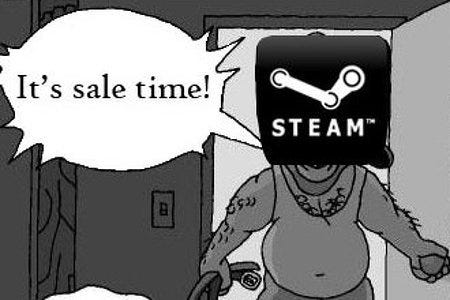

Representatives from online retailer GoG.com believe that the huge discounts offered by competitors like Valve's Steam are devaluing the product.
Speaking to Rock Paper Shotgun, managing director Guillaume Rambourg and head of marketing Trevor Longino explained that regular 80 per cent discounts send a negative message to the consumer about what the games are worth.
"Of course, you make thousands and thousands of sales of a game when it's that cheap, but you're damaging the long-term value of your brand because people will just wait for the next insane sale," they said.
"Slashing the price of your game is easy. Improving the content of your offer when you release your game, that's more ambitious."
"Slashing the price of your game is easy. Improving the content of your offer when you release your game, that's more ambitious"
Rambourg and Longino claim that the industry has failed to make day-one purchases a compelling value proposition for the consumer. Regular promotional offers like Steam Sales only exacerbate the problem, as they still condition gamers to avoid buying games at full-price and leave developers and publishers with diminished revenue.
"Heavy discounts are bad for gamers, too," they added. "If a gamer buys a game he or she doesn't want just because it's on sale, they're being trained to make bad purchases, and they're also learning that games aren't valuable."
"We all know gamers who spend more every month on games than they want to, just because there were too many games that were discounted too deeply. That's not good for anyone."
Rambourg and Longino accept the counter argument that massive discounts can lead consumers to games they wouldn't otherwise have tried, but GoG.com intends to find a "happy medium" between giving customer satisfaction and selling products at vastly reduced prices.
"We actually generate more than half of our revenue from full-price sales, simply because we keep our prices reasonable in the first place," they continued.
"Our average sale tends to be around 40 per cent to 50 per cent off; that's plenty of incentive to pick up a game if you're interested, or if you just think you might like to try it because you're not sure about the game. But not some crazy 75 per cent or 85 per cent discount that damages the long-term value of a game.
"We have a pretty regular sale schedule: we put a few games on sale every weekend, and we have a special "hidden gem" sale every other week. Otherwise, we focus on new releases, great customer support, and excellent value for money."
GoG.com is the new name for Good Old Games, which rose to prominence by selling DRM-free classic games. It now stocks both new and independent titles, all without DRM.