Can Microsoft Launch the Next Xbox in 2012?
Digital Foundry analyses the latest "Nextbox" rumours.
A new, ultra-power next-generation Xbox in 2012? Apparently so, according to a report last week by Future's Edge Online. Its story suggests that PC-based "target platforms" are with key developers now, including Assassin's Creed creator Ubisoft Montreal. Not only that, but it also suggests that Sony too is working on its next-gen hardware, with one of its major in-house studios transitioning now to the new platform and even helping with the hardware design.
There's an old saying that there's no smoke without fire - and rumour-mongering about the new Microsoft console is coming thick and fast from various sources with differing levels of credibility. A lot of stories are emanating from the MS Nerd blog, suggesting that the new machine is codenamed Xbox Loop, and features a dedicated SoC (system on chip) arrangement utilising mobile-style architecture, and bespoke cores for dealing with graphics, AI, physics, sound, networking and other elements and - most bizarrely of all - running a Windows 9 core.
Meanwhile, French site Xboxygen says that the machine features a hex core CPU, 2GB of system RAM and dual AMD graphics cards -presumably with their own dedicated RAM, with the system due to receive a public debut less than two months from now at the January CES in Las Vegas.
Console launches are phenomenally expensive. Would Microsoft really sacrifice its profit-making Xbox 360 so soon to dominate the next-gen market?
If there's any truth to this latter story, I strongly believe that this is a description of what Edge terms the "target platform" - a PC using off-the-shelf parts that bears some passing resemblance to the upcoming console spec. I would expect a next-gen console to ship with at least 4GB of RAM in total - possibly more (according to a Crytek presentation they are hoping for 8GB or more) - and bearing in mind the advantages Microsoft enjoyed with the unified memory pool in the Xbox 360 (system and graphics RAM combined), a similar arrangement will likely carry over to its next-gen successor.
As for the Xbox Loop story, it sounds very much like another project entirely - if it exists at all. The notion of combining all processing elements into a single chip is hugely compelling and has become the standard in the mobile sector, but there's a reason why the console platform holders launch with individual chips and combine them later on in a smaller hardware revision: the designs of a modern home console are simply too complex and power-hungry to integrate right from the off.
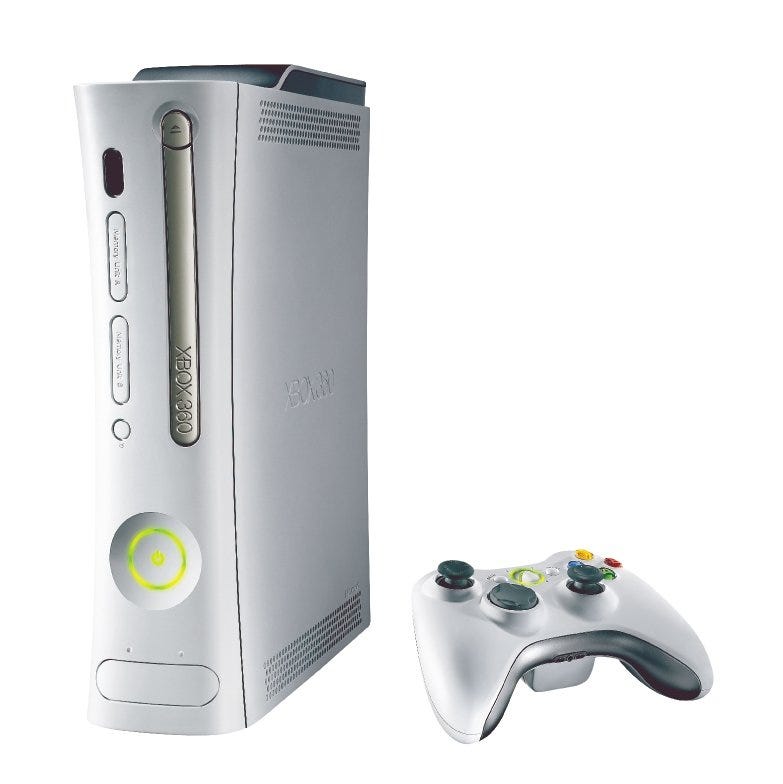
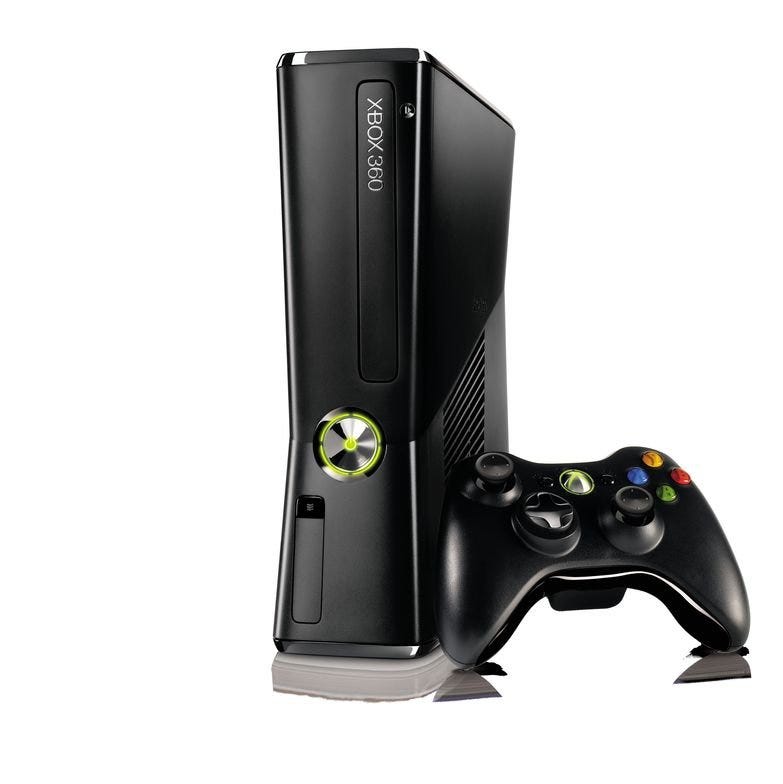
Xbox 360 and its Slim replacement. The 360S combines CPU and GPU into a system on chip (SoC) which some believe will also be the strategy for the next-gen console. However, the engineering effort to achieve this while producing truly next-gen visuals seems insurmountable.
Consider the Xbox 360S "slim" revision that shipped in 2010. It took Microsoft five years to transition its current generation console using a discrete CPU and GPU onto an integrated SoC. It took that long for the 45nm fabrication process to mature, and for chip yields to reach a high enough level that a single chip could be viably deployed in a cheap, mainstream product. The notion of 360's CPU and GPU being integrated into a single chip was first revealed by tech journalist Dean Takahashi two years prior to it actually shipping - a suggestion of just how long the process of designing, taping out then manufacturing these chips takes. Nextbox will be bigger and much more complex, presumably running on the smaller 28nm fabrication process: the notion that a SoC would be ready for 2013, let alone 2012, doesn't really make sense.
Certainly, it's also highly unlikely that Windows 9 would be ready for showtime any time soon. It's far more likely that Microsoft engineers will spin out their own core OS based on an existing mature, reliable Windows kernel - which is apparently what happened with the Xbox 360. Indeed, Microsoft has already said that elements of Windows 8 will end up in an Xbox product at some point.
So what of the shocking Edge 2012 release rumour? Industry analyst Michael Pachter is unequivocal about this.
"Those rumours are silly. Microsoft is still selling a ton of Xbox 360s, and they won't replace the existing one until sales begin to slow," he told our sister site IndustryGamers.
"I think the rumours are based upon leaks about modifying the current Xbox 360 to allow it to operate Windows 8. I fully expect a new model of Xbox 360 by holiday 2012, but don't think we see a new console altogether from Microsoft until 2014."
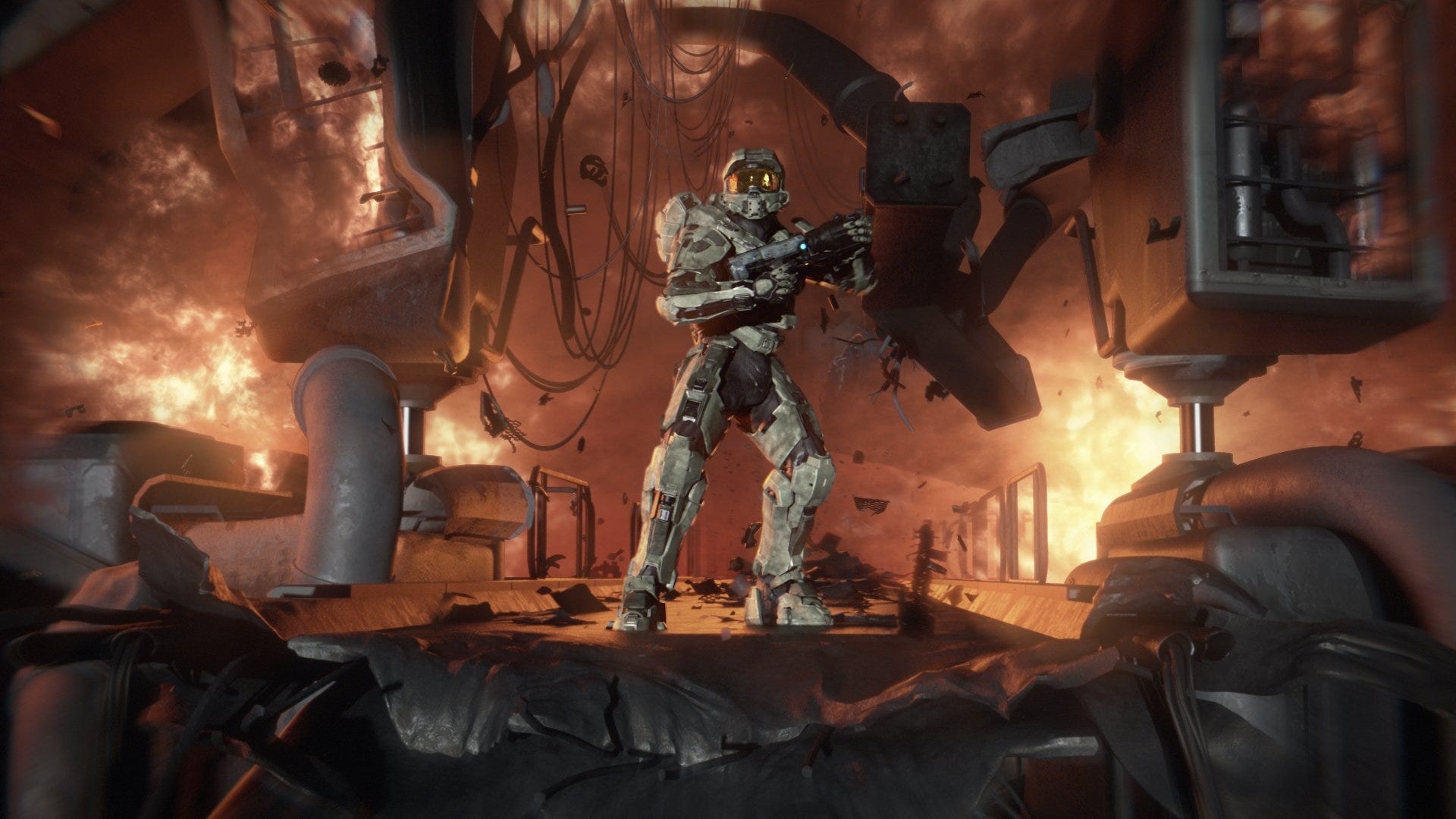
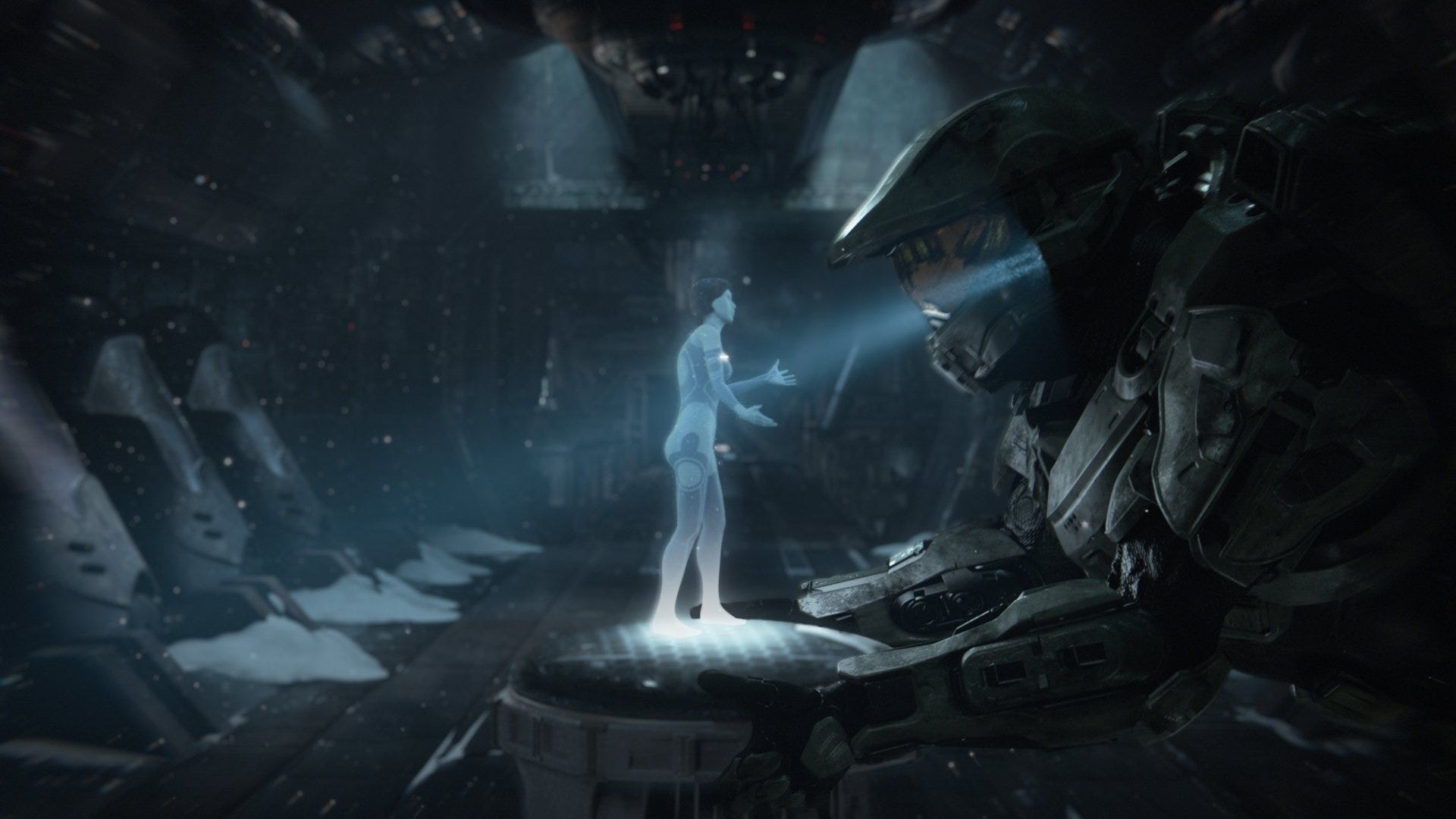
A 2012 release for the Nextbox would mean that 343 Industries' Halo 4 would launch on Xbox 360 mere weeks before the console's next-gen successor appears - a massive marketing issue.
While Pachter has garnered a reputation for forecasts of varying accuracy, it's difficult to argue with the basic logic here. While the prospect of 360 running Windows 8 is unlikely (MS makes money selling expensive operating systems, not giving them away with its consoles where profits are wafer-thin), the Xbox division is a business that has sustained enormous losses across two console launches and in the here and now, it is doing remarkably well - particularly in its native US territory.
Moving on to the next-gen within 12 months would essentially see Microsoft calling time on its own profits, and would also introduce a bunch of marketing anomalies: for example, 343 Industries' Frank O'Connor has stated unambiguously that Halo 4 is an Xbox 360 title (if the E3 release of the Halo 4 packshot didn't already convince you). It's hard to imagine that Microsoft would launch its next-gen console within a month or two of its flagship franchise game appearing on the older console.
It's also difficult to construct a compelling financial argument for a 2012 release based on the sheer cost of launching a new console. The 2005 release of the original Xbox 360 was an enormous investment for Microsoft - but one it had to make to beat Sony to the punch and to seriously challenge what was at the time the all-powerful PlayStation brand.
To that end, Microsoft really pushed the boat out in terms of its per-unit manufacturing costs. The 90nm CPU and GPU were running at what was at the time a state-of-the-art fabrication process, and yields (i.e. chips that worked off the main production run) weren't exactly wonderful, adding further to the notional cost of the console. Cost-cutting in other areas led to the RROD, overheating console debacle. Even a year later, Sony still had problems with the same 90nm fabrication process - hence the 90nm Cell processor having one SPU disabled in order to produce higher yields.
In the here and now, the Taiwan Semiconductor Manufacturing Company (TSMC) - the chip manufacturer for AMD, NVIDIA and indeed Microsoft - is transitioning to a 28nm process and we can expect to see the first graphics cards using it early next year. Any transition to a new process causes yield issues and it's really unlikely that Microsoft would want to take that kind of financial hit again, particularly if it's at the expense of its current, profitable console - and certainly in light of the current global economic turmoil. Targeting 2013 would be far more prudent in this respect, once efficiencies have improved and TSMC actually have strong capacity - there'll be a lot of competition for those fabs from AMD and NVIDIA, and potentially even Nintendo with Wii U.
The yield situation does lend some credence to another oft-repeated Nextbox rumour, however: the notion that it will feature dual graphics chips in its design. While the idea of packing two GPUs into its next console might sound crazy, it would allow Microsoft to use more chips from the production line in the same way that Cell (and indeed numerous CPUs and GPUs) had cores turned off to make chips with minor defects viable, improving percentages on chips that could be utilised.
One contact told us that two GPUs makes a lot of sense - short of adopting the fully programmable graphics chip (like Intel's abandoned Larrabee), it's almost a developer's dream feature.
There are also advantages from a development perspective too. One contact told us that two GPUs makes a lot of sense - short of adopting the fully programmable graphics chip (like Intel's abandoned Larrabee), it's almost a developer's dream feature.
Even used inefficiently, developers could tile - vutting the scene in half and sending each piece to different GPUs. Efficiency would be lost on border-overlapping geometry - just as it is with tiling on the Xbox 360 right now - but the rendering of geometry is less and less work with the slow shift from fully forward to fully deferred rendering. A deferred renderer would lose nothing in efficiency in all the lighting and shading passes.
More streamlined applications could see independent rendering operation parallelised - for example, rendering the main scene with the shadowmap, rendering the different cascades of the increasingly popular shadowmaps, rendering light buffers, rendering different portions of a complex post-processing chain - but post-processing is a good candidate for pure tiling, as well.
DirectX 11 experimentation is how developers are preparing for the next-gen transition. The ultimate example we've seen thus far is DICE's absolutely phenomenal Battlefield 3 - on PC it's truly a taste of things to come.
There would also be production advantages for Microsoft too. Two slower, narrower graphics chips should be easier and cheaper to make than one big one, and it would be less expensive to route two 128-bit memory buses instead of one 256-bit bus. It could also be cheaper to cool them separately too.
In terms of how we see the next-gen Xbox panning out based on what our own sources tell us, we understand that Kinect is set for a significant upgrade and has a very strong likelihood of ending up bundled with the machine. It is understood that Microsoft hosted a developer soiree at Disneyland just after E3 this year where the platform holder invited partners to pitch in with ideas on where they would want the technology to go, and the challenges they had with the current platform. This signifies that it was early days for the design just a few months ago, making the 2012 story seem even less likely.
It's also believed that Microsoft will continue its successful two SKU strategy, and indeed take it much further with its new platform: a pared down machine is to be released as cheaply as possible, and positioned more along the lines of a set-top box (the use of 360 as a Netflix viewing platform in the US is colossal) and perhaps as a Kinect-themed gaming portal, while a more fully-featured machine with optical drive, hard disk and backward compatibility aimed at the hardcore would be released at a higher price-point.
But beyond that we're still in the realms of conjecture - or as Microsoft would prefer to term it, "rumour and speculation". If history is any indicator, this in itself suggests that 2012 is not a likely release date - detailed Wii U specs and a hardware breakdown leaked before E3 this year, a good 18 months before the actual launch. We knew about the core make-up of PlayStation Vita over two years ago and that still hasn't been released yet. The paucity of details about Microsoft's new project and the fact that Nextbox specs remain mostly unknown suggests that we still have some way to go.
Some have suggested that Microsoft has brought forward its next-gen plans owing to the competition from Nintendo's Wii U. However, everything we have seen on the console to date suggests it has more in common with current gen processing hardware and the innovation is in the tablet-style controller.
So is 2012 completely off the table? We know that Microsoft has a range of next-gen teams assembled, with core personnel like creative director Kudo Tsunoda in charge. We also know that 343 Industries has recruited some of the leading lights in graphics engineering, such as principle engine programmer Corrinne Yu, who has also participated in the development of DirectX 11 - known to be the core rendering API that powers the next-gen Xbox.
All the pieces are being moved into place, and Microsoft is the sort of company that can power through the sorts of challenges we've described in this article with sheer financial brute force - but the question is, why should the platform holder rush its new console to market?
All the indications are that Wii U is a product with a similar spec to the existing Xbox 360 with all the innovation centred on the controller. Meanwhile, Sony is still in poor financial shape - and all the indications are it's still at a very early stage in preparing its next PlayStation. Conceivably, Microsoft could dominate the next-gen console sector with an early release, but with the way things are shaping up, even a 2013 debut for the Nextbox would still give them the same advantage - and that's when we would be more likely to see the dip in 360 sales that would necessitate a next-gen successor.
All eyes are on January's CES to see if the rumours have some sort of firm basis, but I strongly suspect that E3 will be our first look at Microsoft's new hardware.

Totally agree. 2013 makes sense, 2012 would not make sense at all. Developers need enough time to pull off next gen titles with reasonable level of quality (2-3 years). As mentioned in the article, businesswise it would be totally nuts to release new hardware in a period when Xbox finally turns into a cash cow. Despite the support of a lot of 1st party titles (most of them already working on a next gen launch title I would guess) network effects will keep sales at a high level throughout the next year. The interesting question is: will they teaser the NextBox at E3 2012?
Posted:A year ago